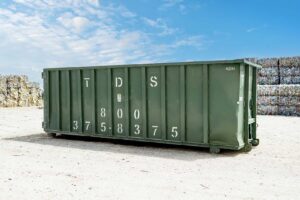
5 Recycling Myths That Need to Go in the Trash
Recycling should be simple. Toss the right items in the bin, keep materials out of the landfill, and move on with your day. But across Texas and especially in fast-growing regions like Central Texas, confusion about what belongs in your recycling cart is still a big topic.
The truth is recycling works – but only when we do it right.
At Texas Disposal Systems, materials collected from recycling containers are delivered to our recycling facilities, including our Materials Recovery Facility (MRF), where they are sorted, processed, and prepared for reuse. While contamination can impact what ultimately gets recovered, recyclable materials that come in clean and correctly sorted are given a second life and not sent straight to the landfill.
From pizza boxes to Styrofoam, here are five common recycling myths and the facts Texans need to know.
Myth #1: “Everything just ends up in the landfill anyway”
Wrong. Materials placed in recycling containers are processed at recycling facilities…not automatically sent to the landfill.
Let’s clear this up first because it is the most damaging myth out there.
Recycling absolutely makes a difference. Materials like aluminum, paper, and glass are routinely recovered and turned into new products, saving energy and natural resources. Recycling aluminum, for example, uses up to 95 percent less energy than producing it from raw materials.
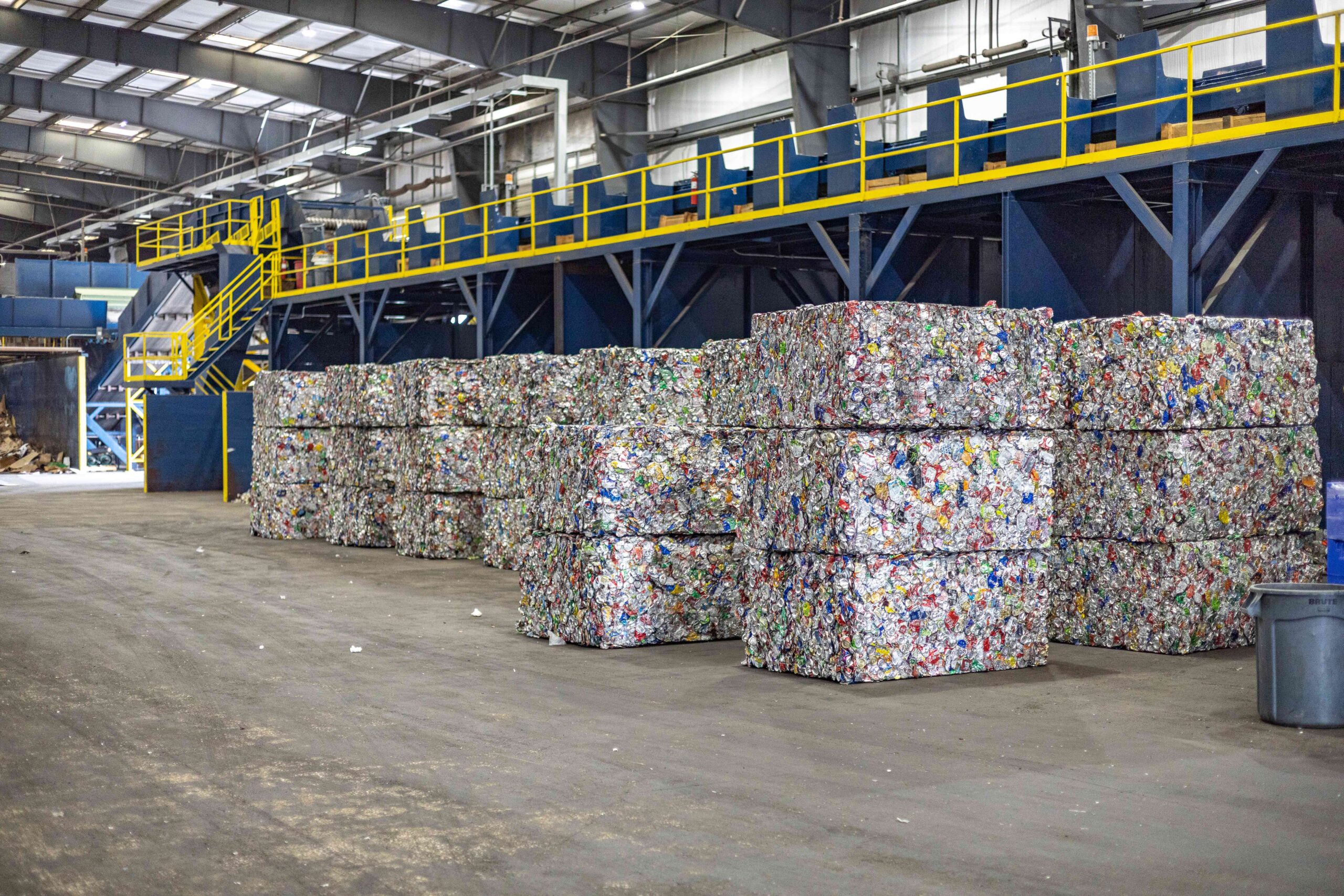
At a Materials Recovery Facility, recyclables are sorted using a combination of equipment and manual quality checks. For example, the TDS MRF processes 40-45 tons of material per hour. Those materials including cardboard, metals, plastics, and other recyclables are separated into clean streams so they can be reused by manufacturers.
Contamination is the real challenge. When items are dirty or incorrectly placed in the bin, they can disrupt the sorting process and send otherwise recyclable materials to the landfill.
Texas takeaway: Recycling works but only if we recycle right.
Myth #2: “Pizza boxes can never be recycled”
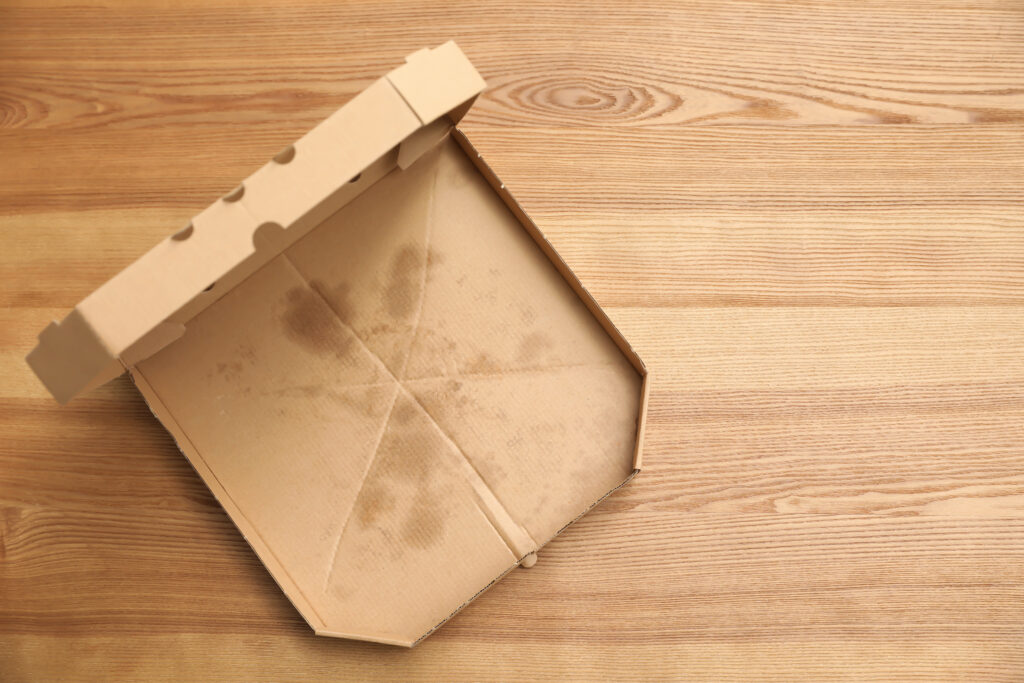
This one depends and that is where people get tripped up.
Pizza boxes can be recycled as long as they’re empty and relatively free from grease. Most pizza boxes are made from recyclable cardboard, but grease and food residue can contaminate the recycling stream. Light grease is often acceptable, but heavily soiled boxes can impact the quality of recycled paper.
At a Materials Recovery Facility, paper products need to stay clean and dry to be successfully processed. Too much contamination can cause entire batches to be rejected.
What to do instead:
- Tear off clean sections and recycle those
- Good news: You can compost the greasy portions
Myth #3: “If it has a recycling symbol, it is recyclable”
We wish it were that easy.
That symbol only identifies the type of material. It does not guarantee your local program can process it. Many plastics, especially flexible or multi layer materials, are not accepted in standard recycling programs.
At our facility, only materials that can be effectively sorted and marketed are processed. Items that fall outside those capabilities can interfere with equipment or reduce the value of recyclable commodities.
Texas takeaway: Always follow local recycling guidelines, not just the label.
Myth #4: “Styrofoam goes in the recycling bin”
Short answer, usually no.
Styrofoam is difficult to process, easily contaminated, and not commonly accepted in curbside programs. It can also break apart during sorting, making it harder to capture and recycle effectively.
At a Materials Recovery Facility, lightweight materials like Styrofoam can disrupt the sorting process and reduce efficiency.
What to do instead:
- Look for specialty drop off programs
- Keep it out of your recycling cart unless specifically accepted
Myth #5: “Recycling does not really make a difference”
It does and in a big way.
Recycling reduces pollution, conserves natural resources, and lowers energy use across industries. It also supports a circular economy where materials are reused instead of discarded.
Facilities like ours play a critical role in making that happen. By recovering materials from construction projects and everyday recycling streams, we help keep valuable resources in use and support Texas communities working toward long term sustainability goals.
The Bottom Line
Recycling is not broken but misinformation is.
When we recycle correctly and pair that with advanced processing we:
- Keep valuable materials in circulation
- Reduce contamination
- Maximize recovery rates
- Support a more sustainable Texas
And it all starts with knowing what belongs in the bin.
Want to Recycle Right?
Not sure where something goes? Use the What Goes Where tool on the TDS Waste Wizard app.
Check your local guidelines or connect with the TDS team to learn how our recycling and recovery processes help turn waste into resources.